INTRODUCTION
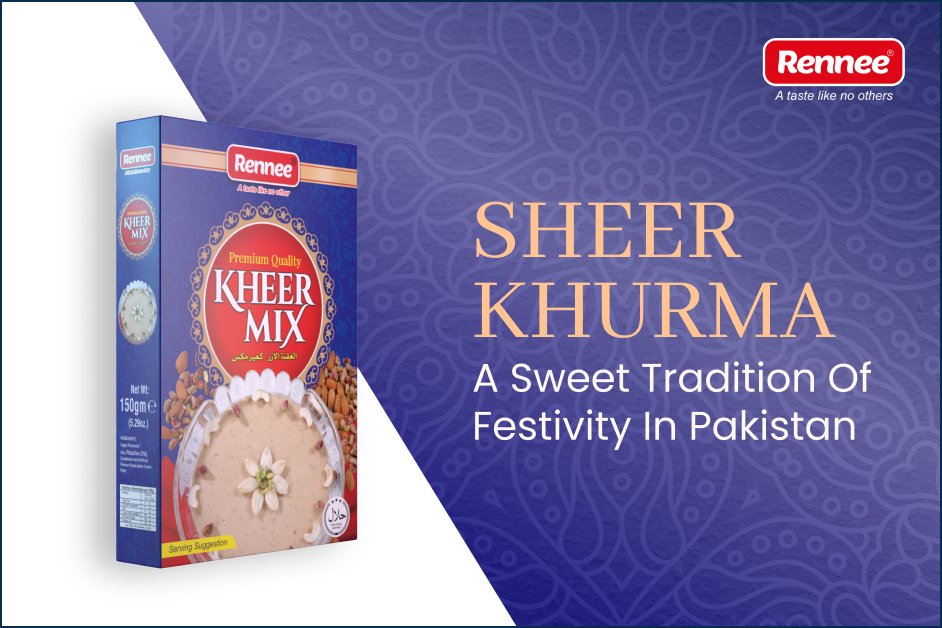
Sheer Khurma, a sweet and creamy dessert, holds a cherished place in Pakistani culture. Traditionally prepared during Eid-ul-Fitr and Eid-ul-Adha, this dish is synonymous with celebration and hospitality in Pakistan. Families gather to share bowls of this rich and aromatic dessert, symbolizing unity and joy.
In Pakistani homes, Sheer Khurma is not just a dessert; it’s a family tradition passed down through generations. The sweet smell of saffron and cardamom in the kitchen is a sign of a special day. It’s more than just food—it represents the love and warmth of family. Whether shared with guests as a kind gesture or enjoyed together as breakfast, Sheer Khurma is a big part of our culture and traditions.
What sets Pakistani Sheer Khurma apart is its emphasis on high-quality ingredients and special preparation. The addition of nuts, dry fruits, and local ghee elevates its flavor, making it an unforgettable treat. Whether prepared with traditional methods or given a modern twist, Sheer Khurma continues to be a beloved dessert, uniting people in sweet indulgence during joyous occasions.
The Origins of Sheer Khurma
Sheer Khurma’s origins trace back to Persia, where it was first introduced as a royal dessert. With time, it spread across South Asia, evolving to incorporate regional ingredients and preferences. In Pakistan, this dish holds a unique position as a festive staple, especially during Eid celebrations. It has become a Symbol of the country’s culinary heritage, symbolizing hospitality and joy.
In Pakistani culture, Sheer Khurma’s history is intertwined with the Mughal era, where it was served in royal courts as a mark of sophistication. Over the centuries, the recipe was adapted by local communities, who added their own Style with Local spices and ingredients. This adaptation gave rise to the unique variations we see in different parts of Pakistan today.
Beyond its historical roots, Sheer Khurma also carries religious significance. Its preparation during Eid represents the spirit of giving and togetherness. The dish is often shared with neighbors, friends, and extended family, strengthening bonds within communities.
As a evidence to its rich history, this sweet dessert continues to be a part of Pakistani culinary traditions. It stands as a bridge between the past and present, reminding us of the deep cultural and historical connections embedded in every bite.
Essential Ingredients in Pakistani Sheer Khurma
The rich and indulgent flavor of Sheer Khurma comes from its carefully selected ingredients. Each component is significant, contributing to the dish’s unique taste and texture. In Pakistan, the preparation often begins with full-fat milk, which serves as the base for this creamy dessert.
Vermicelli, known locally as “Seviyan,” is an essential ingredient, lightly roasted in ghee to achieve a golden hue and nutty flavor. Dates, particularly those from Sindh and Balochistan, add natural sweetness and a chewy texture, staying true to the dish’s Persian origins. Nuts such as almonds, pistachios, and cashews are finely sliced and generously added, lending a delightful crunch and enhancing its richness.
Cardamom pods and saffron are used to Add the dish with their signature aromas, creating a Sweet-smelling dessert that tantalizes the senses. Sugar or condensed milk is added to adjust the sweetness, while rose water is occasionally used for a floral hint. Some regional variations may include dried coconut, khoya, or even small gulab jamuns for added Luxury.
These ingredients, often sourced locally, make Pakistani Sheer Khurma stand out. The freshness and quality of these components elevate the dish, ensuring it remains a timeless favorite on festive occasions.
How to Make Traditional Pakistani Sheer Khurma
Preparing Khurma in Pakistan is a ritual that brings families together, particularly during Eid. The traditional recipe is simple yet requires attention to detail for perfect results.
- To start, vermicelli is roasted in ghee until golden and aromatic. This step is crucial as it forms the base of the dish. Full-fat milk is then added and brought to a gentle boil. As the milk thickens, sugar is stirred in to sweeten the mixture. The addition of dates, preferably soft and pitted, provides natural sweetness and a delightful chewiness.
- Next, sliced almonds, pistachios, and cashews are added to the pot. These are often pre-soaked to ensure they’re tender and blend seamlessly with the creamy texture. Cardamom pods are crushed and mixed in to enhance the flavor, and a pinch of saffron is dissolved in warm milk before being added for a luxurious aroma and color.
- The dish is simmered on low heat until it reaches the desired consistency, typically thick yet pourable. Once done, it is garnished with more nuts and sometimes silver leaf for an elegant touch. Served warm or chilled, Sheer Khurma is a treat that celebrates tradition and flavor.
Sheer Khurma: A Must-Have for Eid
Eid celebrations in Pakistan are incomplete without the presence of Sheer Khurma on the dining table. This dessert is deeply tied to the festive spirit, symbolizing joy, togetherness, and gratitude. It is one of the first dishes served after the Eid prayer, marking the beginning of the feast.
For many Pakistanis, the preparation of Sheer Khurma is a cherished tradition. Families wake up early on Eid morning to prepare this dish, filling the air with its tantalizing aroma. The act of making Sheer Khurma is often communal, with each family member contributing to its preparation, whether roasting nuts or stirring the milk.
Guests visiting homes during Eid are greeted with bowls of Sheer Khurma as a gesture of hospitality and warmth. It is also shared with neighbors and sent as part of Eid gift trays, spreading the festive cheer.
What makes Sheer Khurma special during Eid is not just its delicious taste but the memories and connections it fosters. From childhood nostalgia to new family traditions, this dessert is a symbol of the love and togetherness that defines Eid in Pakistan.
Regional Variations of Sheer Khurma in Pakistan
Pakistan’s diverse regions bring unique twists to the preparation of Sheer Khurma, reflecting local tastes and ingredients.
- In Punjab, the dish is often richer and sweeter, with the addition of khoya (thickened milk) to enhance its creamy texture. This variation is ideal for those who prefer a decadent and indulgent dessert.
- In Sindh, dates play a more prominent role, with varieties like Aseel dates adding depth and natural sweetness. The Sindhi version often incorporates rose water and dried coconut for a subtle floral and tropical flavor.
- Meanwhile, in Balochistan, the focus is on simplicity and the natural richness of nuts like almonds and pistachios, often sourced from local markets.
- Khyber Pakhtunkhwa (KPK) showcases a heartier version with extra dried fruits, including raisins and apricots, which are abundant in the region. The recipe here is less sweet, allowing the flavors of cardamom and saffron to shine through.
Each variation highlights the diversity of Pakistani cuisine while staying true to the essence of Sheer Khurma. These regional differences ensure that wherever you are in Pakistan, you’ll find a unique yet familiar take on this beloved dessert.
Nutritional Insights of Sheer Khurma
Sheer Khurma is not just delicious; it also offers nutritional benefits when enjoyed in moderation. The milk base is a rich source of calcium and protein, essential for bone health and muscle growth. Dates, a key ingredient, are packed with natural sugars, fiber, and essential minerals like potassium and magnesium, making them an energy-boosting super-food.
The nuts used in Sheer Khurma, such as almonds and pistachios, are loaded with healthy fats, antioxidants, and vitamins like E and B6. These contribute to improved heart health and brain function. Cardamom and saffron, apart from adding flavor, have medicinal properties. Cardamom aids digestion, while saffron is known for its anti-inflammatory and mood-enhancing qualities.
However, it’s important to keep the sugar content in check, as excessive sweetness can outweigh the health benefits. For a healthier version, some families substitute refined sugar with honey or reduce the quantity altogether. Using low-fat milk and limiting the amount of ghee can also make Sheer Khurma a lighter yet equally flavorful treat.
By balancing indulgence with mindful choices, Sheer Khurma can be a nutritious dessert that satisfies your sweet cravings during special occasions.
Conclusion
Sheer Khurma is more than a dessert—it’s a celebration of tradition, culture, and togetherness. In Pakistan, it holds a cherished place as a symbol of festivity and hospitality, especially during Eid. Its rich flavors and aromatic spices make it a dish that brings people together, whether shared among family members or served to guests.
The enduring popularity of Sheer Khurma lies in its ability to evolve while staying true to its roots. From its historical origins to its modern adaptations, this dessert reflects the diversity and creativity of Pakistani cuisine. Whether prepared with traditional ingredients or given a contemporary twist, Sheer Khurma continues to be a staple of celebrations, evoking nostalgia and creating new memories with every bite.
In every corner of Pakistan, Sheer Khurma is a reminder of the importance of sharing, kindness, and joy. Its preparation and enjoyment are rituals that strengthen bonds and enrich festive occasions. As you savor a bowl of Sheer Khurma, you’re not just tasting a dessert—you’re experiencing the essence of Pakistan’s rich culinary and cultural heritage.