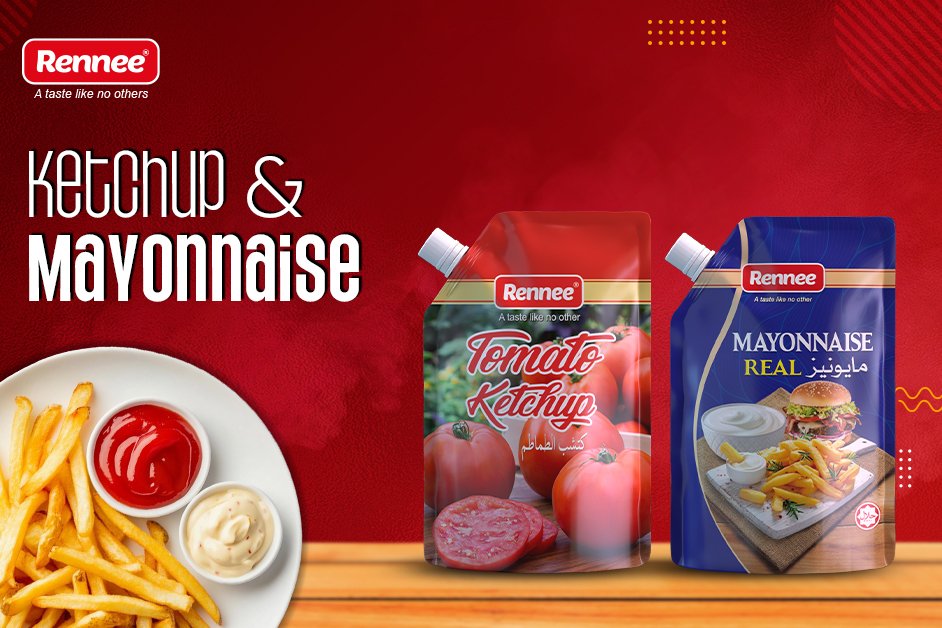
Introduction
Ketchup and mayo are two of the most popular sauces around the world. Each has its own taste and history, but together, they make a tasty pair that goes well with many dishes.
The reason people love ketchup and mayo is because they can be used in so many ways. Ketchup has a sweet and tangy flavor that tastes great on fries, burgers, and hot dogs. It adds a burst of flavor to simple meals. Mayo, on the other hand, is creamy and rich. It makes sandwiches, salads, and dips taste even better. Its mild taste works well with spicy or sour foods, making it a perfect match for many dishes.
When you mix ketchup and mayo, you create a smooth and creamy sauce that is great for dipping or spreading. This mixture, often called “fry sauce,” is popular for its delicious taste. People love to use it with crispy fries or on salads, proving that ketchup and mayo go well together.
Ketchup: A Classic Condiment
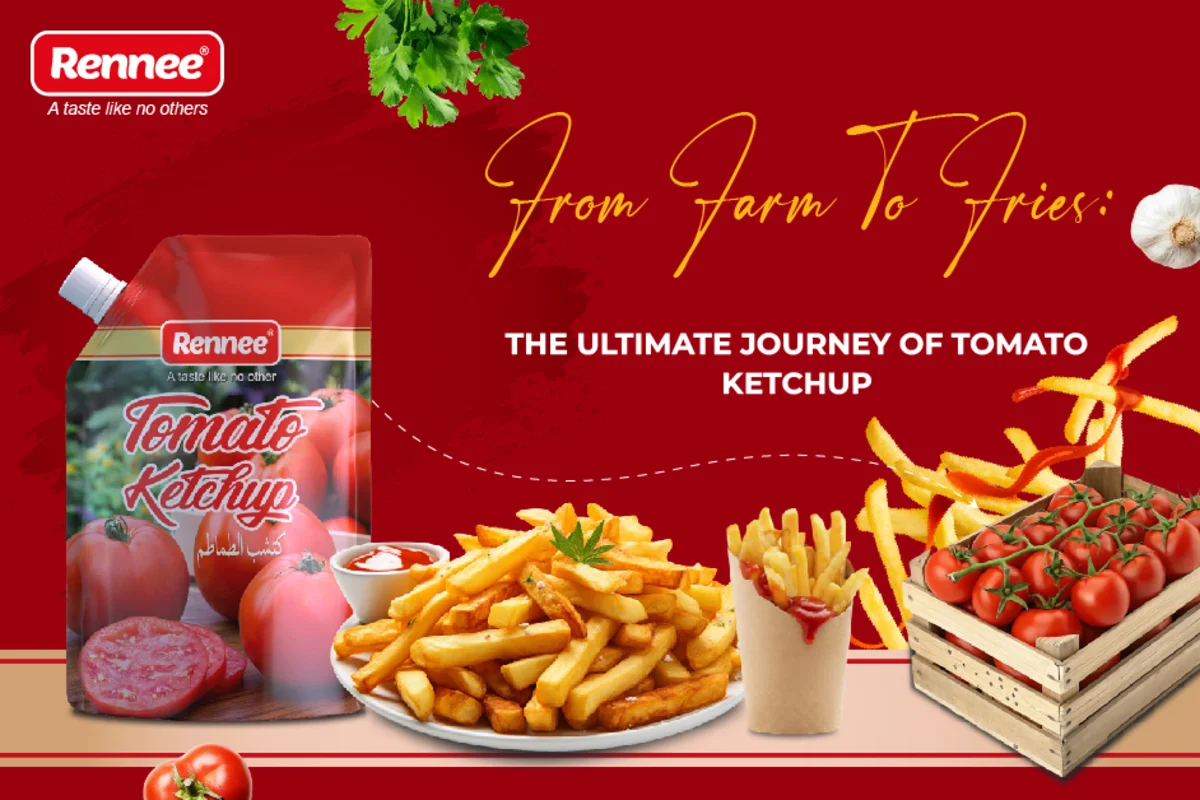
Ketchup is one of the most well-known and loved condiments around the world, including in Pakistan. Its rich history and unique flavor have made it a staple in many households, often found in kitchens, restaurants, and at family gatherings and barbecues.
History of Ketchup
Ketchup has evolved into a beloved condiment in Pakistan, with its roots tracing back to British colonial influence in the 19th century. Following Pakistan’s independence in 1947, Western foods and condiments gained popularity, leading to the introduction of imported ketchup brands. By the 1970s and 1980s, local manufacturers began producing their own versions, often tailored to Pakistani tastes with added spices. Today, ketchup is a staple accompaniment to snacks, fast food, and various dishes, reflecting its integration into the culinary landscape while adapting to modern health-conscious trends.
Ketchup in Pakistan
In Pakistan, ketchup is more than just a condiment; it’s a beloved part of the culinary experience. It is commonly served with snacks like samosas, fries, and pakoras, adding a delightful flavor that complements spicy dishes. Pakistani brands have also emerged, offering unique variations of ketchup that cater to local tastes, often incorporating spices and flavors that resonate with the country’s rich culinary heritage.
Many people in Pakistan enjoy mixing ketchup with other sauces, like mayonnaise, to create tasty dips or spreads. This combination has become popular in fast-food restaurants and homes alike, showcasing the adaptability of ketchup in Pakistani cuisine. The ketchup price in Pakistan varies by brand and packaging, making it an affordable condiment for households across the country.
Varieties of Ketchup
While traditional tomato ketchup is the most common type, there are many variations available today. Some popular types include:
Organic Ketchup:
Made from organic tomatoes and ingredients, free from artificial additives.
Spicy Ketchup:
Infused with spices or hot peppers for an extra kick.
Fruit-Based Ketchup:
Made with fruits like mango or apple, offering a different flavor profile.
Low-Sugar or No-Sugar Ketchup:
Alternatives for those who want to reduce their sugar intake.
These varieties allow people to enjoy ketchup in ways that suit their tastes and dietary preferences.
Nutritional Information
Ketchup is typically low in calories, making it a popular choice for those looking to add flavor without a lot of extra calories. However, it can be high in sugar and sodium, so it’s important to enjoy it in moderation. Many brands now offer reduced-sugar and reduced-sodium options to cater to health-conscious consumers.
Mayonnaise: The Creamy Companion
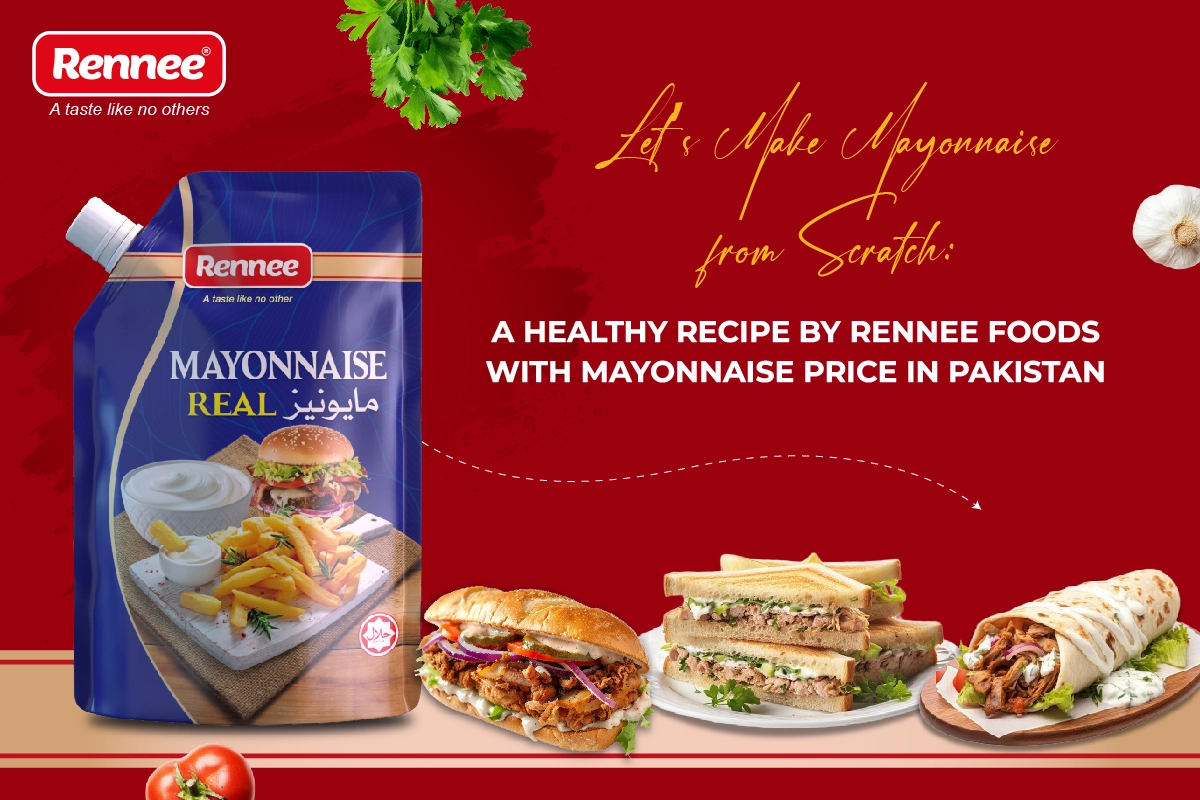
Mayonnaise is a smooth and creamy sauce loved by many people, including those in Pakistan. It adds flavor and richness to a variety of foods like burgers, sandwiches, salads, and wraps. Its mild taste and soft texture make it a popular choice in kitchens all over the world.
The Birth of Mayonnaise
The history of mayonnaise goes back to the 18th century. It is believed that a French chef first made it after winning a battle in Mahón, a city in Spain, in 1756. The sauce was named “mahónnaise” after the city, and later the name changed to “mayonnaise.” Over time, this creamy sauce became popular in France and then spread to other parts of the world, including Pakistan.
Today, mayonnaise is easily available in stores across Pakistan and is commonly used in fast food, snacks, and homemade recipes.
Types of Mayonnaise
There are different types of mayonnaise available in Pakistan to suit everyone’s taste and needs:
Classic Mayonnaise:
The traditional mayo made from egg yolks, oil, and vinegar or lemon juice. This is the most common type found in homes and restaurants.
Light Mayonnaise:
A low-fat version of mayo for those who want fewer calories but still want the creamy texture.
Flavored Mayonnaise:
Mayonnaise with added flavors like garlic, spicy chili, or herbs. This type is perfect for those who enjoy more adventurous flavors.
Vegan Mayonnaise:
Made without eggs, this type is for people who follow a plant-based diet.
Organic Mayonnaise:
Made from organic ingredients, it’s a healthier option with no artificial preservatives.
These varieties are available in many supermarkets and are commonly used in dishes like shawarma, burgers, and salads in Pakistan. The mayonnaise price in Pakistan varies depending on the brand and packaging, making it accessible to a wide range of consumers.
Health Benefits and Nutritional Facts
Mayonnaise can be healthy if eaten in the right amount. Here are some of its benefits:
i. Healthy Fats:
Mayonnaise contains oils that provide healthy fats, which are good for heart health when eaten in moderation.
ii. Vitamin E:
It is rich in Vitamin E, which helps keep skin healthy and protects the body’s cells.
iii. High in Calories:
While mayonnaise is tasty, it is high in calories. Eating too much can lead to weight gain, so it’s important to enjoy it in small amounts. Light or low-fat versions are a good option for those who want to cut down on calories.
For a healthier option, some people in Pakistan like to make homemade mayonnaise, where they can control the ingredients and avoid added preservatives.
The Perfect Pairing: Ketchup and Mayo
Ketchup and mayo are a match made in heaven, creating a delicious balance of tangy and creamy flavors. Together, they add richness and a burst of taste to many popular dishes, especially in Pakistan, where they are widely used in fast food and home cooking.
Flavor Profiles and Pairing Tips
The combination of ketchup and mayo offers a unique flavor profile that brings out the best in both sauces. Ketchup, with its sweet and tangy taste, adds a zesty punch to foods, while mayonnaise, with its creamy and mild flavor, balances out bold or spicy ingredients.
When you mix ketchup and mayo, you create a smooth, flavorful sauce perfect for a variety of dishes. Here are some pairing tips:
Burgers and Sandwiches:
Spread a mix of ketchup and mayo on burgers or sandwiches to add a creamy, flavorful kick. It enhances the taste of chicken, beef, or veggie patties.
Fries and Chips:
Use the ketchup and mayo blend as a dip for crispy fries or chips. The creamy mayo mellows out the sharp tang of ketchup, making for a satisfying snack.
Shawarma and Wraps:
In Pakistan, this combination is popular in shawarma and wraps, adding a creamy contrast to the spicy meat and vegetables.
Grilled Foods:
The ketchup-mayo duo works great as a dip for grilled chicken, kebabs, and sausages, enhancing the smoky flavors and adding moisture to the dish.
Popular Dishes Featuring the Duo
In Pakistan, ketchup and mayo are often seen together in both street food and homemade meals. Some of the most loved dishes that feature this pairing include:
Zinger Burgers:
These crispy chicken burgers often come loaded with ketchup and mayo, giving them a tangy, creamy flavor that perfectly complements the crunch of the chicken.
Shami Kebabs:
Spicy kebabs served with a side of ketchup and mayo for dipping add an extra layer of taste to this traditional snack.
Fries:
Loaded fries topped with ketchup and mayo are a favorite at fast food joints across Pakistan, transforming regular fries into a delicious treat.
Club Sandwiches:
This popular sandwich, found in cafes and homes alike, is layered with chicken, eggs, and veggies, topped with a generous spread of ketchup and mayo for added flavor.
Pakoras and Samosas:
Although traditionally served with chutney, many in Pakistan enjoy dipping pakoras and samosas in a ketchup-mayo blend, adding a modern twist to classic snacks.
When it comes to the mayonnaise price in Pakistan, it can vary depending on the brand, type, and size of the product. On average, a regular-sized jar of mayonnaise can cost between PKR 200 and PKR 500. This range includes different options such as classic, light, and flavored mayonnaise, with premium or organic brands sometimes costing more. However, most households can find affordable mayonnaise option.
Conclusion
In Pakistan, the combination of ketchup and mayonnaise has become a favorite for enhancing the flavor of various dishes. Whether you’re enjoying a zinger burger, fries, or even traditional snacks like pakoras, this creamy and tangy pairing brings a new level of taste to every bite. With mayonnaise available at a range of prices in Pakistan, it’s easy to find a variety that suits your budget, making it a staple in kitchens across the country.